
The Legend of Zelda: Ocarina of Time - Review

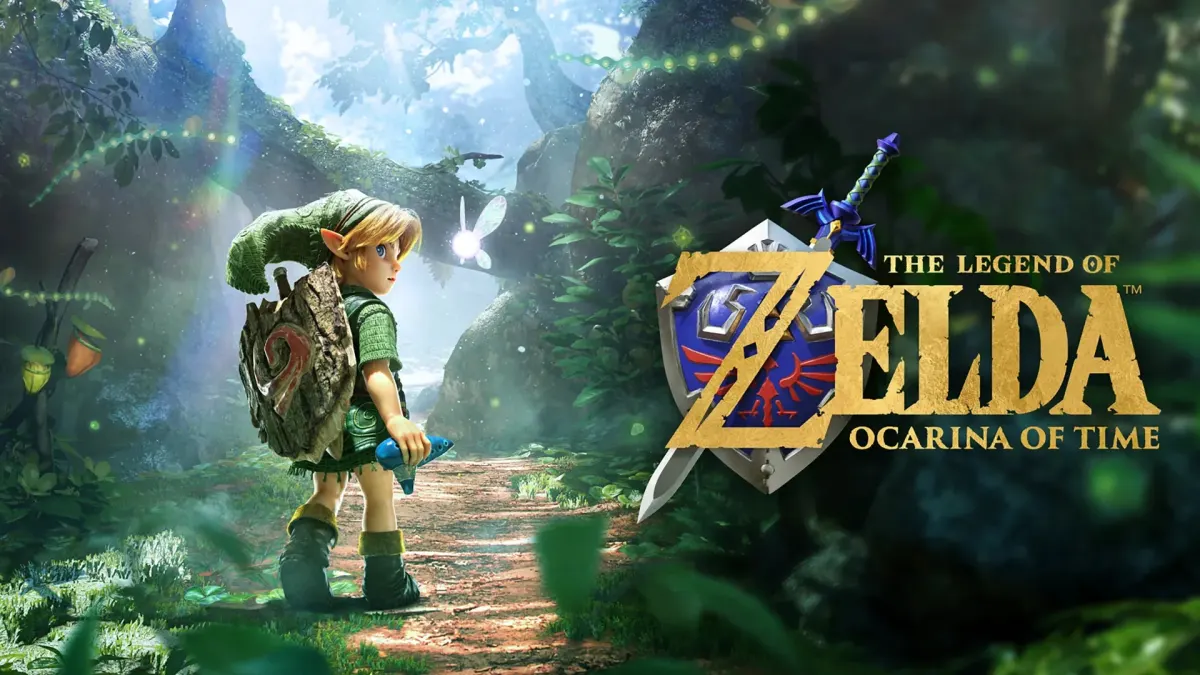
The New Standard for Remakes
Many consider Super Mario 64 to be the game that laid the foundations for the 3D architecture we see in most games today. It's true that, without the moustachioed Italian's epic adventure, our favourite hobby would look very different. Even so, Super Mario 64 wasn't the game that defined 3D experiences, but rather the one that paved the way from the 2D standard to three dimensions.
No, the title that set the standards for 3D graphics, storytelling and pacing, along with plenty of other things we now take for granted in a video game, was another Nintendo creation. And not just any game, but the one many players hold dear and which Metacritic ranks among the best of all time: The Legend of Zelda: Ocarina of Time. Now, to mark the franchise's 40th anniversary, the big N is "gifting" players something they've wanted for a very long time: a complete remake of this legendary game, with modern graphics and a control scheme rethought for today's gamers.
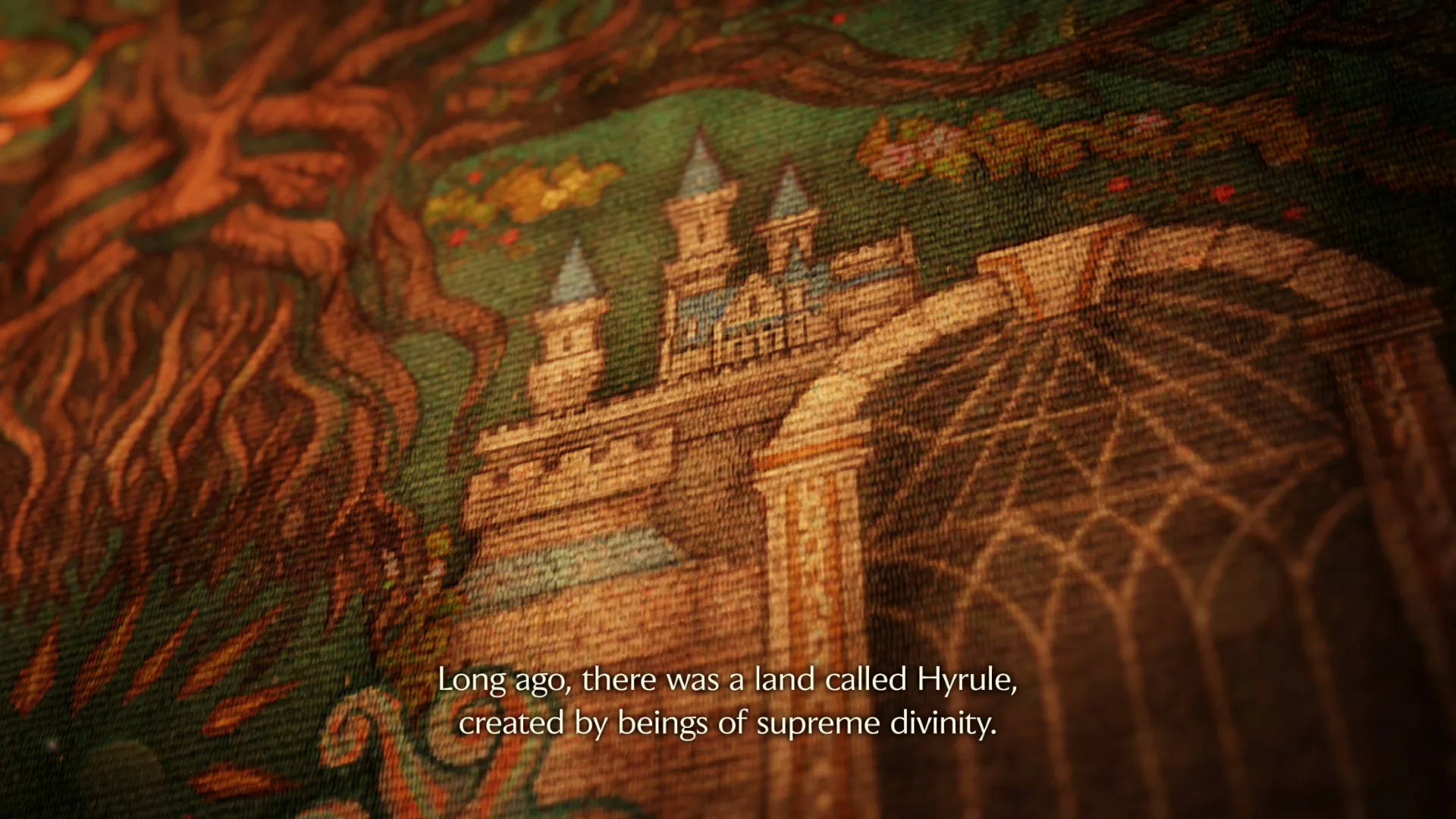
Honestly, I don't think the original game's five directors had any idea in 1998 how much Ocarina of Time would influence the games industry, or what a rich legacy they'd leave behind with its release on 21 November 1998. Yes, you read that right: OoT is closing in on its thirtieth anniversary. Almost 30 years in which it has shaped entire generations and set our standards and expectations. Many players in the West got to enjoy it back in 1998, when they were just tiny tots, and can now share this modernised masterpiece with their own kids. Here in Romania, things are a little different, as most of us didn't have access to an N64 in the years after the fall of communism. Many of us only got to try the original later, either by buying an N64 and a copy of the game, or through a 3DS and the 2011 remake, The Legend of Zelda: Ocarina of Time 3D. Other Romanian players probably discovered OoT through the emulated version on the official Nintendo Switch Online + Expansion Pack service. Whichever platform we first played this legendary title on, the magic stayed the same: an epic tale of good against evil, like a fairy tale told by your grandparents, except that instead of Prâslea the Brave or Făt-Frumos we had Link-the-mute, and instead of Ileana Cosânzeana, Princess Zelda.
After almost 30 years in which the games industry has changed enormously, Nintendo returns with this remake and reminds us why OoT remains one of the most acclaimed games of all time. Unlike other remakes of famous titles, which stopped at modernising the visuals, the Ocarina of Time remake also brings a few new elements and minor changes that improve the experience and make the game more accessible to today's audience. If I've got you curious, let's start with the story!
Link the Brave and the Ocarina of Time
As I said above, the remake's narrative reads like a fairy tale: a young man chosen by destiny sets off on a fantastic journey in which, with the help of his friends, he'll take on the forces of evil and save the world from destruction! Okay, maybe I've simplified the story a bit too much, but, broadly speaking, that's about it.
Link, a child from the Kokiri Forest, an enchanted land under the protection of the Great Deku Tree, is summoned by the Tree one ordinary morning and receives a fairy and a mission! The fairy's arrival matters because our little protagonist is the only child in the forest without one. Together with the fairy Navi, he manages to defeat a ferocious creature that has crept into the roots of the Great Deku Tree, and once the beast is beaten, the Deku Tree, the forest's guardian, reveals Link's true destiny: to save the land of Hyrule from the forces of the evil Ganondorf – the horseman who haunts his dreams night after night.
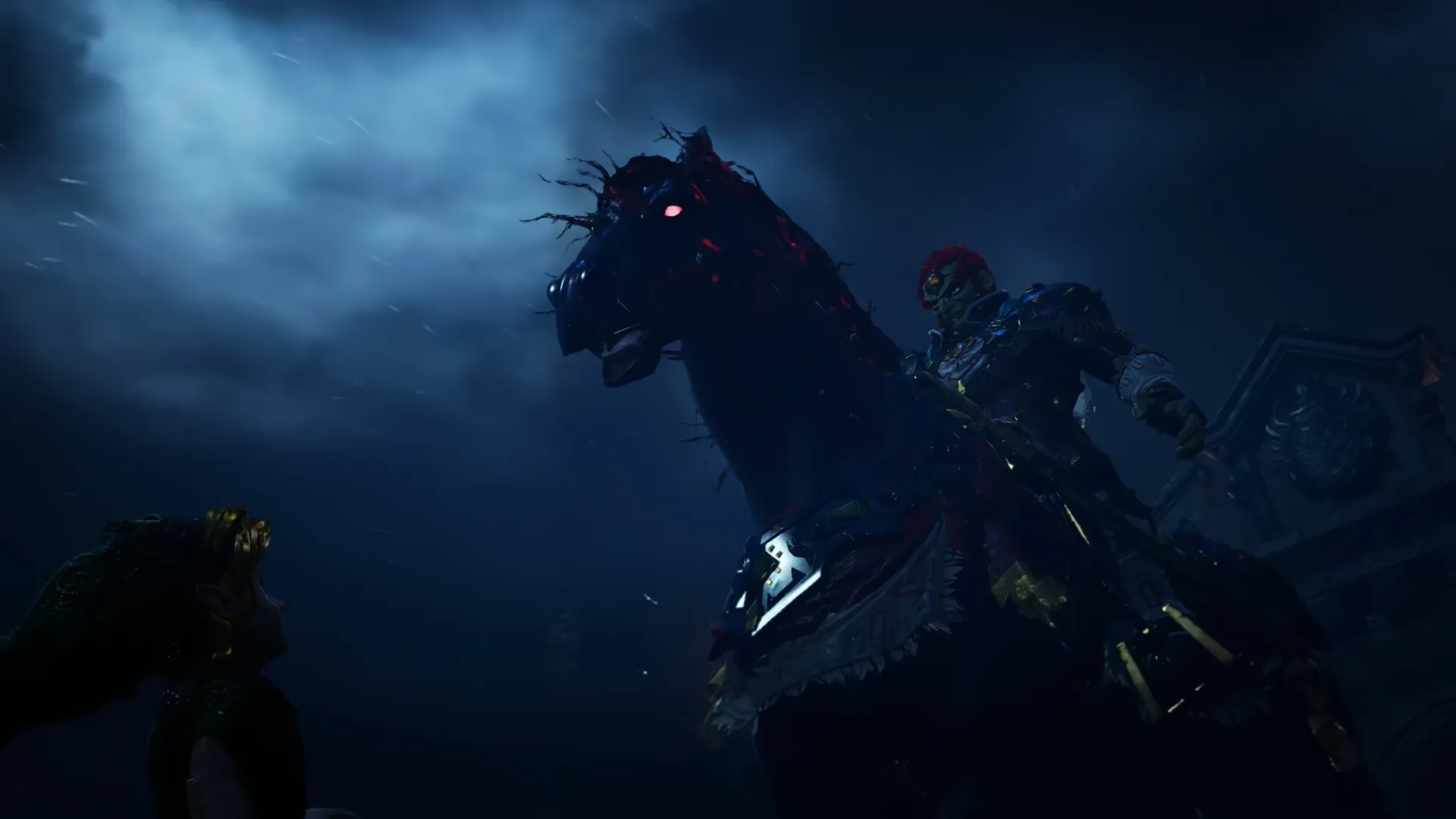
With Navi and the enchanted gem that the Great Tree was guarding, Link heads for Hyrule Castle, where he meets Princess Zelda and learns how he'll fulfil his destiny: by finding the other enchanted gems, which will open the way to a sacred artefact, the Triforce! This holy object, created by the three goddesses, can grant the wish of anyone who comes into its possession, and our hero will do everything he can to stop the evil Ganondorf from getting his hands on it!
I think it's pretty clear to everyone that the story is very much like a fairy tale. And, unlike most games today, the narrative in The Legend of Zelda: Ocarina of Time is simple, but good. So good, in fact, that it stirs the same feelings now, in 2026, as it did on its original release in 1998! Honestly, few modern games have made me feel like a carefree kid in front of the telly again, but the OoT remake pulled it off brilliantly. What's more, it didn't just "transport" me, spiritually and emotionally, to times long gone, it also awakened that same pure childhood curiosity in my little one. He watched Link running about and playing the ocarina with the same sparkle in his eyes with which I watched Spyro the dragon 28 years ago.
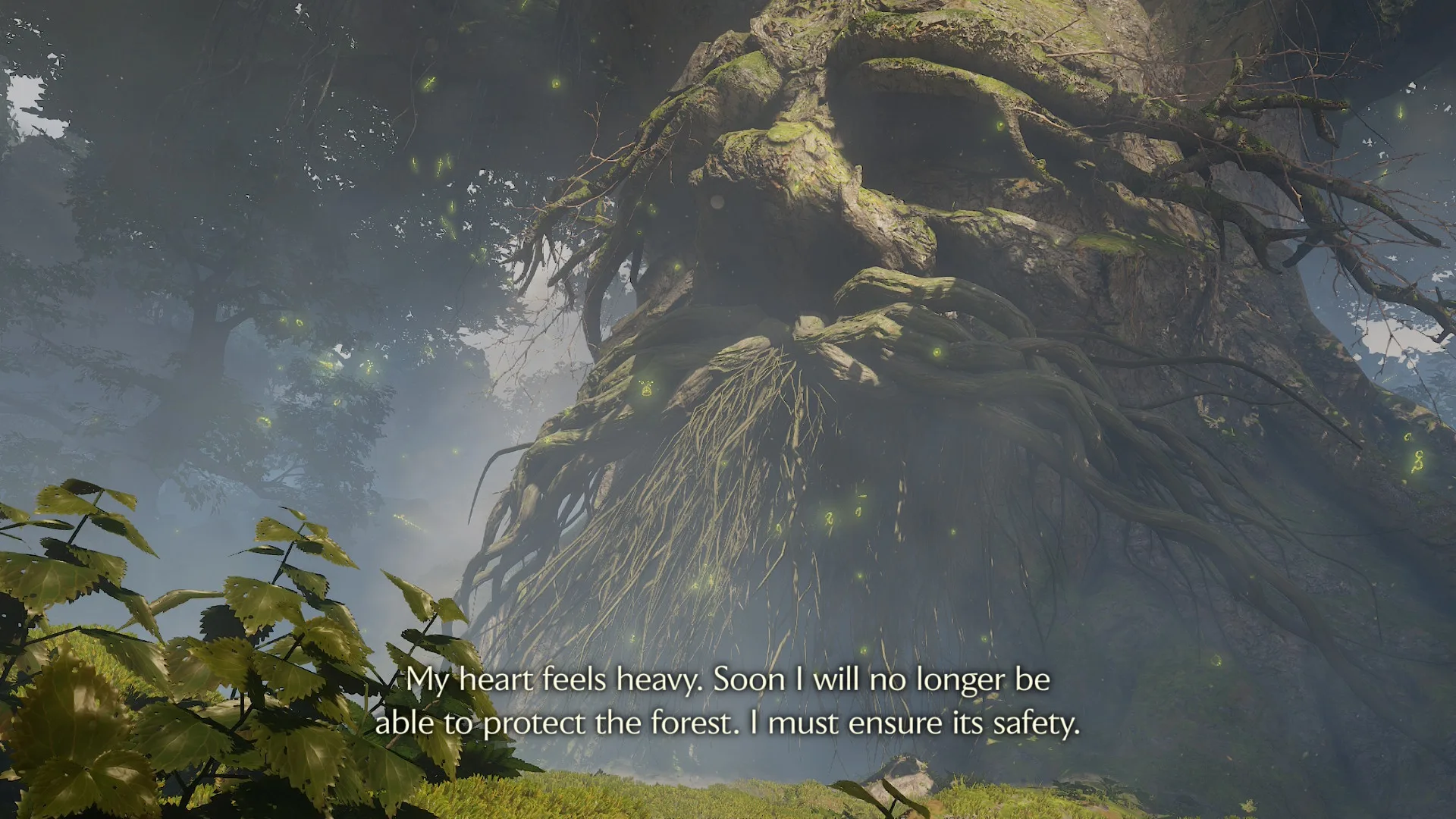
Unlike Metal Gear Solid Delta: Snake Eater, this remake comes with a few changes, in both gameplay and story. Okay, okay, calm down, they haven't added woke elements to the game, the big N doesn't do that. No, I mean a few minor tweaks to certain lines, such as the first exchange between Navi and Link, where the little fairy no longer wonders whether the protagonist is the one who could save the land, but gets straight down to business and tells the sleepyhead to finally get out of bed!
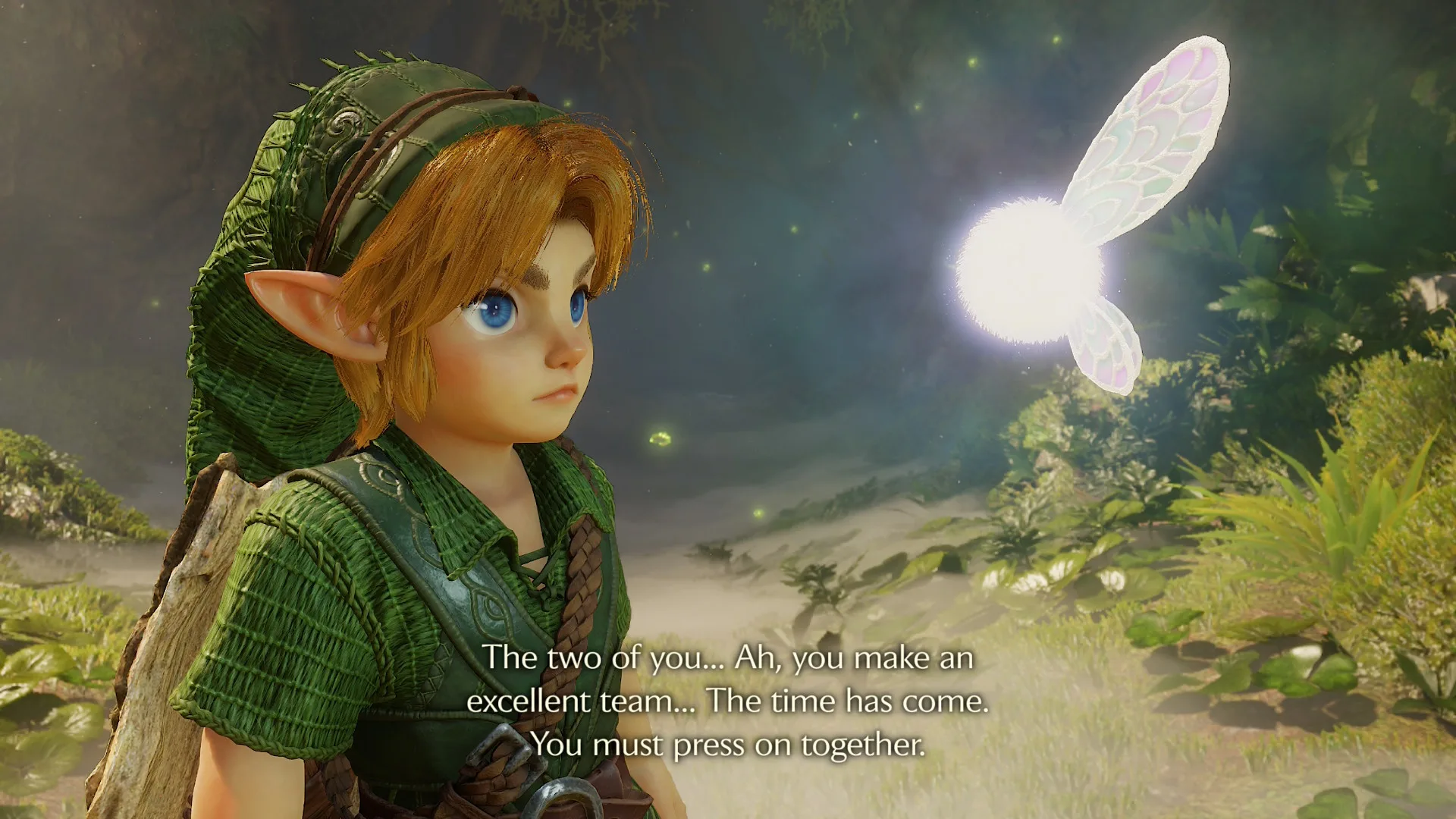
What's more, the characters have been slightly reworked to give them more personality, and Navi is no longer quite as annoying as in 1998, so don't expect to hear "HEY, LISTEN!" every minute. Most characters now have either more lines or clearer, more nuanced ones, which help us understand them better. Okay, okay, you get it: I like the story and don't have much to criticise. Surely I found something to pick on in the gameplay department, right?
Master Quest
Well, no. I genuinely have nothing to criticise when it comes to gameplay. Every new element improves the experience and makes the game more accessible to a modern audience, which won't settle for anything less than 4K and 60 FPS. But before we get into optimisation and the technical side, let's talk a little about what makes this game so good.
The gameplay is, for the most part, the same as in the original 1998 game. Link explores a gigantic Hyrule, fights all manner of beasts, and solves well-designed puzzles in some of the best dungeons in the industry. No, really, they are the best. But let's take them one at a time.
Exploration is the classic kind, which has since become the standard for most action-adventure games. Unlike in the original, though, Link can now run and jump freely! Gone are the days when we crossed the whole of Hyrule Field by somersaulting and rolling; the lad has grown up and now runs like the wind! And when he isn't tearing across the countryside, he's thanking the goddess Hylia that we no longer have to line up angles to the pixel to pull off jumps or get through platforming sections, because now we can jump with a simple button press.
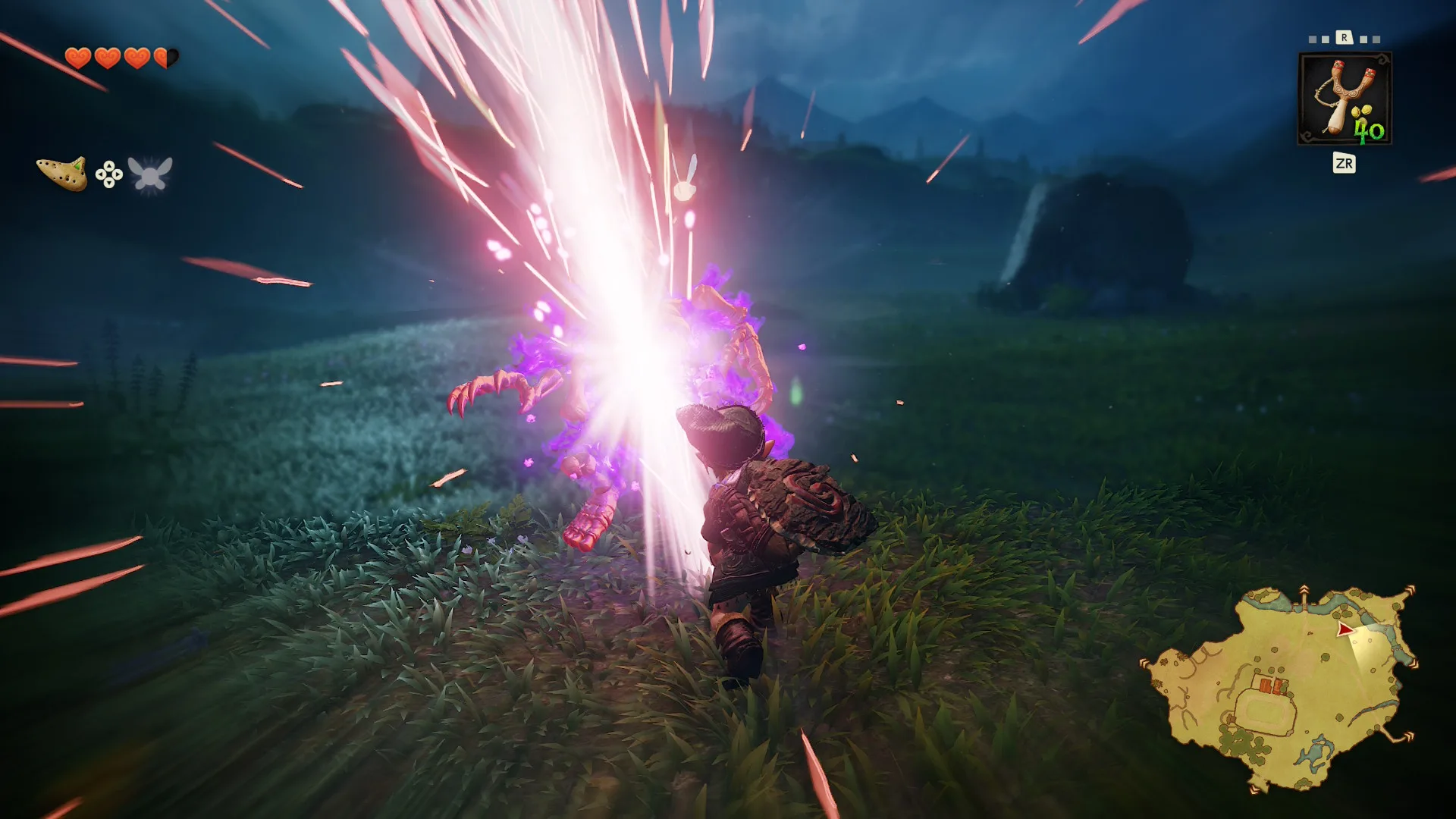
Combat is as simple as ever, with a rudimentary targeting system, a basic combo and an attack-blocking mechanic, plus a whole host of items to use against enemies. Item selection is now simpler and more efficient, resembling the system in Tears of the Kingdom or Echoes of Wisdom. It's even easier to use than the one in Echoes, thanks to the limited number of items in OoT. Some weapons, such as the slingshot and the bow, have become far more viable, benefiting from gyro controls and precise aiming that lets you use them effectively. My only complaint about the combat is the lock-on system, which doesn't always seem to work as it should, probably because of how distances are calculated. If an enemy is more than five metres in front of us, we may well be unable to lock on to it. Yet if an NPC we can talk to is standing on a building 10 to 15 metres away, we can lock on and chat to them without any trouble.
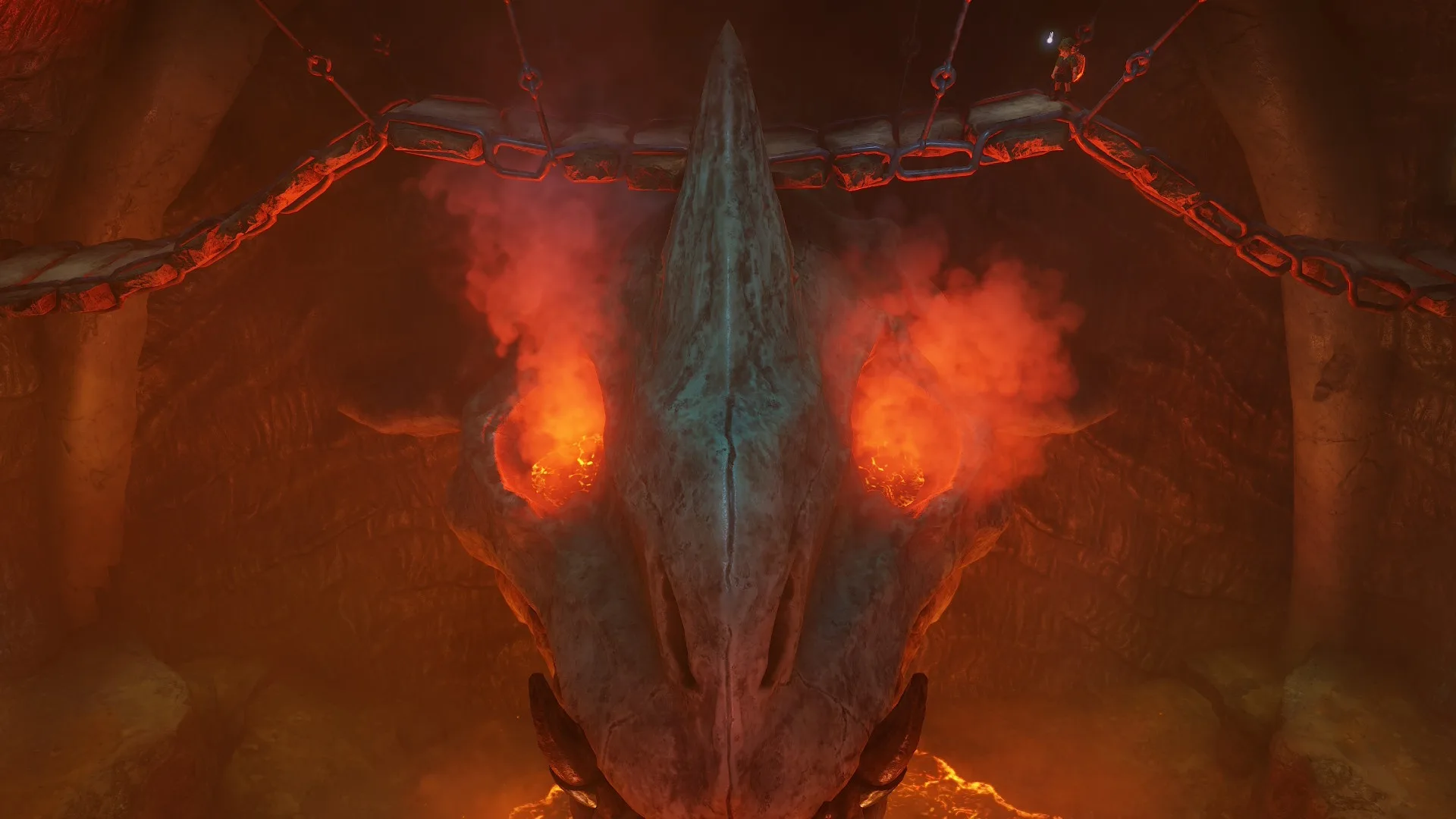
The biggest shock for players will probably come from the dungeons, which have been rethought. Besides the visual facelift, a few changes have been made to make them easier to get through. That doesn't mean the challenge is gone, since the puzzles and fights are every bit as intense as before. It's just that temples like the Forest Temple or the Water Temple are no longer true Minoan labyrinths in which to get lost or which test the limits of your patience. No, on the contrary, they're now fun. The developers even managed to fix the biggest mistake of the 1998 game, repairing the dungeon that gave every player nightmares and wrecked the reputation of underwater levels in gaming: the Water Temple.
Beyond the three main pillars discussed above, there are plenty of side activities, such as minigames and side quests, which have largely stayed the same. Admittedly, a few new side objectives have been added, such as the one at the potion shop in Hyrule Town, which rewards us with an extra bottle! Yes, for the series' die-hard fans, this remake gives us a fifth bottle!
Time passes, people change. Like the flow of a river, time never stops.
As far as gameplay and story go, I don't have much to reproach the big N for in what they've done with Ocarina of Time. And on the technical side, I'll be honest, I was left speechless, because OoT is a genuine technical marvel.
When it was first shown, the game wowed everyone with its looks. The high graphical fidelity had us all thinking of Unreal Engine 5, but the game doesn't use that engine. Instead, it runs on the big N's own in-house engine, which has me curious to see what other projects might benefit from it in future. Just as Sony keeps amazing us with Decima, Nintendo surprises us with what the OoT engine can do. Unlike the 1998 game, which had a cartoonish look, or the slightly cel-shaded style we also saw in Breath of the Wild, Tears of the Kingdom and the two recent Hyrule Warriors games, this remake goes for a more realistic look. Characters' clothes no longer look like simple textures slapped onto a digital skeleton and fused with the character model, but like real garments cut from different fabrics. Immersion is boosted further by small but meaningful details, such as Link's reactions in Dodongo's Cavern, where he sweats and breathes heavily in the heat, and his wooden shield can catch fire from the high temperatures.
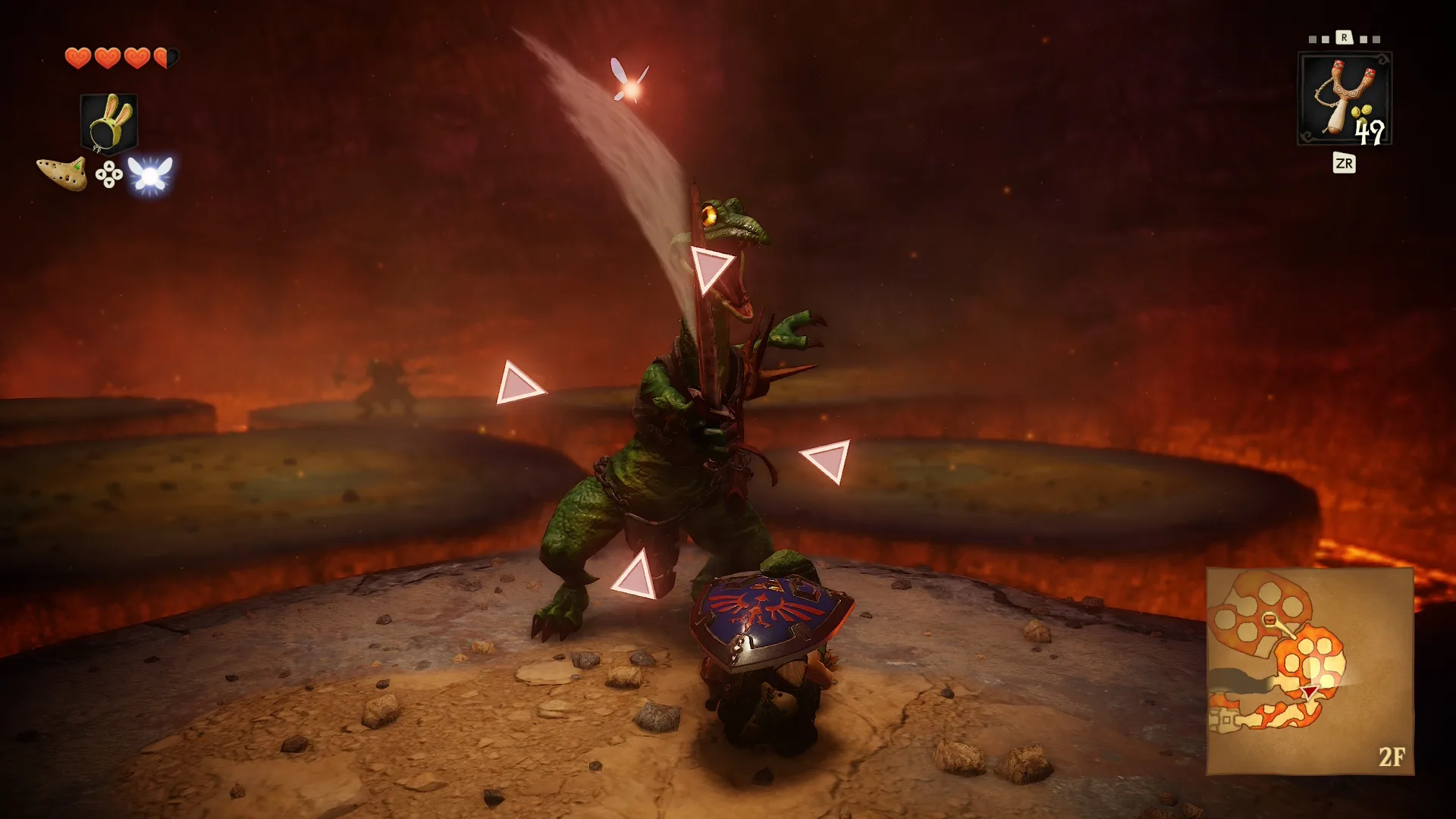
Another pleasant surprise comes from the cutscenes, which are now voiced! We've all imagined particular voices for our favourite characters, but now, for the first time in almost 30 years, we can finally hear them! And, honestly, the most memorable is Ganondorf, brought to life by the same actor who played him in Tears of the Kingdom, Matthew Mercer. My only criticism here is that the voice acting is strictly limited to the cutscenes. That makes it a little odd to hear the characters speak (Link aside) in those scenes, only for them to hit you with a text box and fall dead silent straight afterwards.
The music, so praised over the years, has also had a light touch of modernisation, with a few reinterpretations of the soundtrack. What's more, the ocarina is now a proper instrument that our hero can actually play. And anyone with a bit of musical talent can hum or even play the game's tunes, and the console will recognise them. So if you think it takes too long to press the buttons for Epona's Song, you can simply hum it, and Link's famous horse will come galloping straight over.
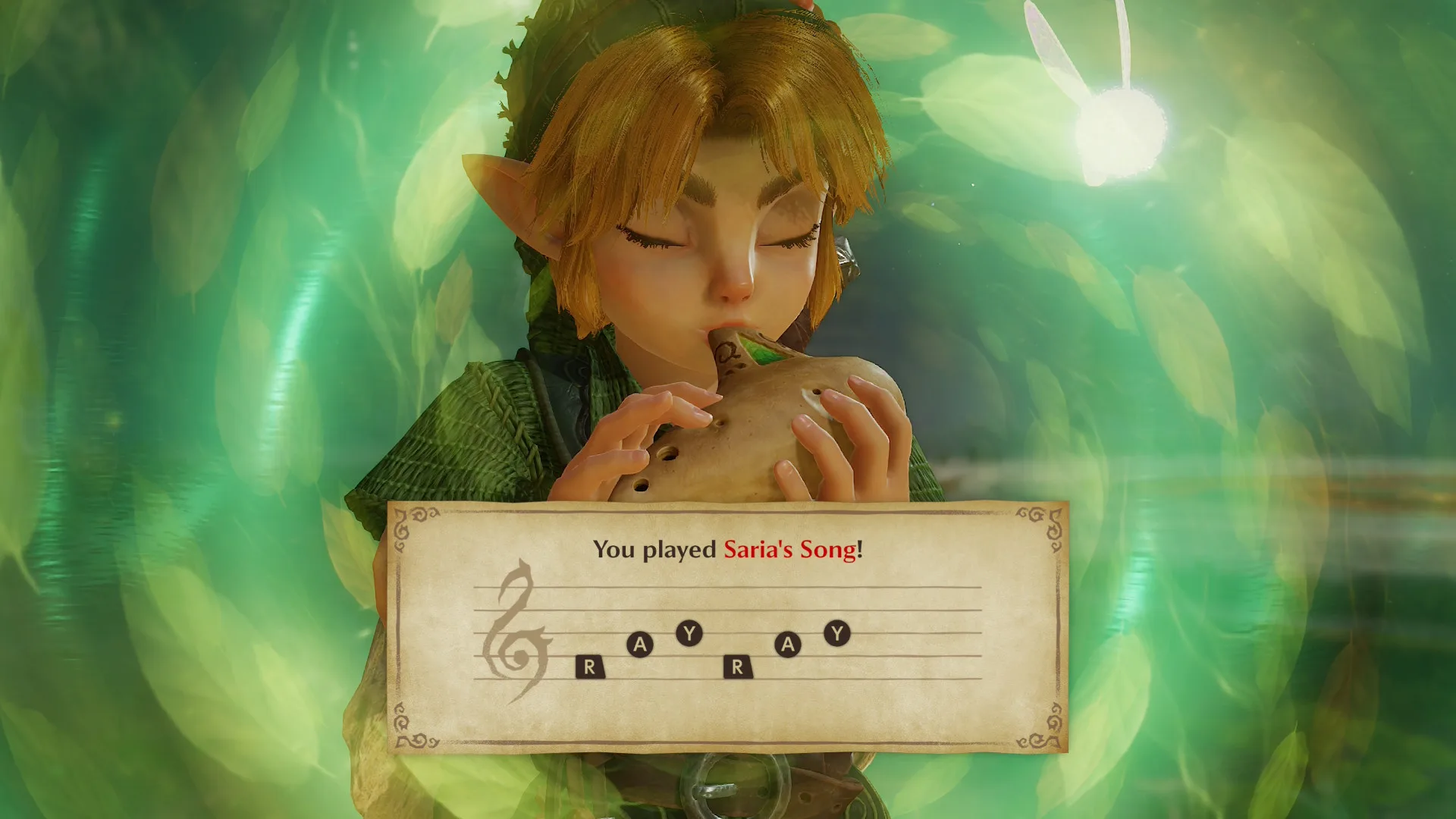
Believe it or not, the big N's greatest achievement isn't in the paragraphs above. No, this one is purely technical: the game runs at a stable 60 FPS in both docked and handheld mode. The native resolution is 1080p, but the image is upscaled with FSR 1 to give the impression of something far more detailed, close to 1440p or even 4K, even though the little console supports DLSS too. Sadly, the illusion and the charm fade in handheld mode, where texture quality takes a hit. In docked mode, though, we get all sorts of effects and particles that will have you staring at the screen for hours, like the fog creeping between the protagonist's legs.
The only real criticism I can level at this remake is the absence of the beloved Master Quest, the harder variant of the original game. But its absence doesn't spoil the core experience, and what the Japanese have delivered is the new standard for remakes. As such, I consider this remake just as good as the original, and I believe it's a genuine system seller for the big N.
Thanks to CD Media SE for the review code and for the opportunity to play The Legend of Zelda: Ocarina of Time.

Played on: Nintendo Switch 2
Release date: 5 November 2026
Developer: Nintendo EPD
Publisher: C.D. Media SE (Romania), Nintendo (Global)
The Legend of Zelda: Ocarina of Time is the new standard for remakes! Nintendo has modernised the graphics and control scheme to make them more accessible to modern audiences, and has also prepared a few surprises for diehard fans. The lack of Master Quest drags the game down slightly, but the core experience is every bit as magical as the 1998 original.
Graphics;
Soundtrack;
Voice acting;
New gameplay systems;
Lack of Master Quest;
0 votes
Scroll down here and stay on the page for at least 30 seconds to vote.
Pick a score from 0 to 10 (halves are allowed).